although the LEAR Amplifier was the start of phoph like design, my journey in audio started long before, and even before then. One of those old men’s story so feel free to skip.
although I need to take you back to 1987 when I worked for Electronics Australia magazine in Sydney, the real story starts in 1967-ish. But Australia first. The editor in chief, Jim Rowe, gave me an IC that was an AM radio receiver on a ZN414 Ferranti chip in a 3 pin TO92 housing.
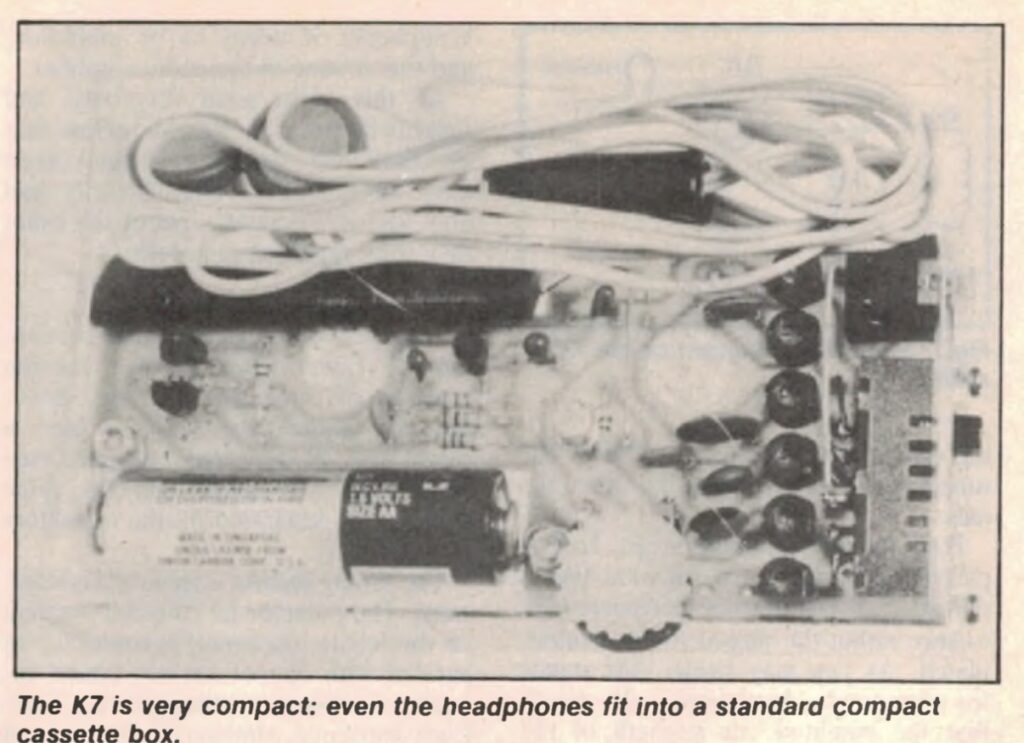
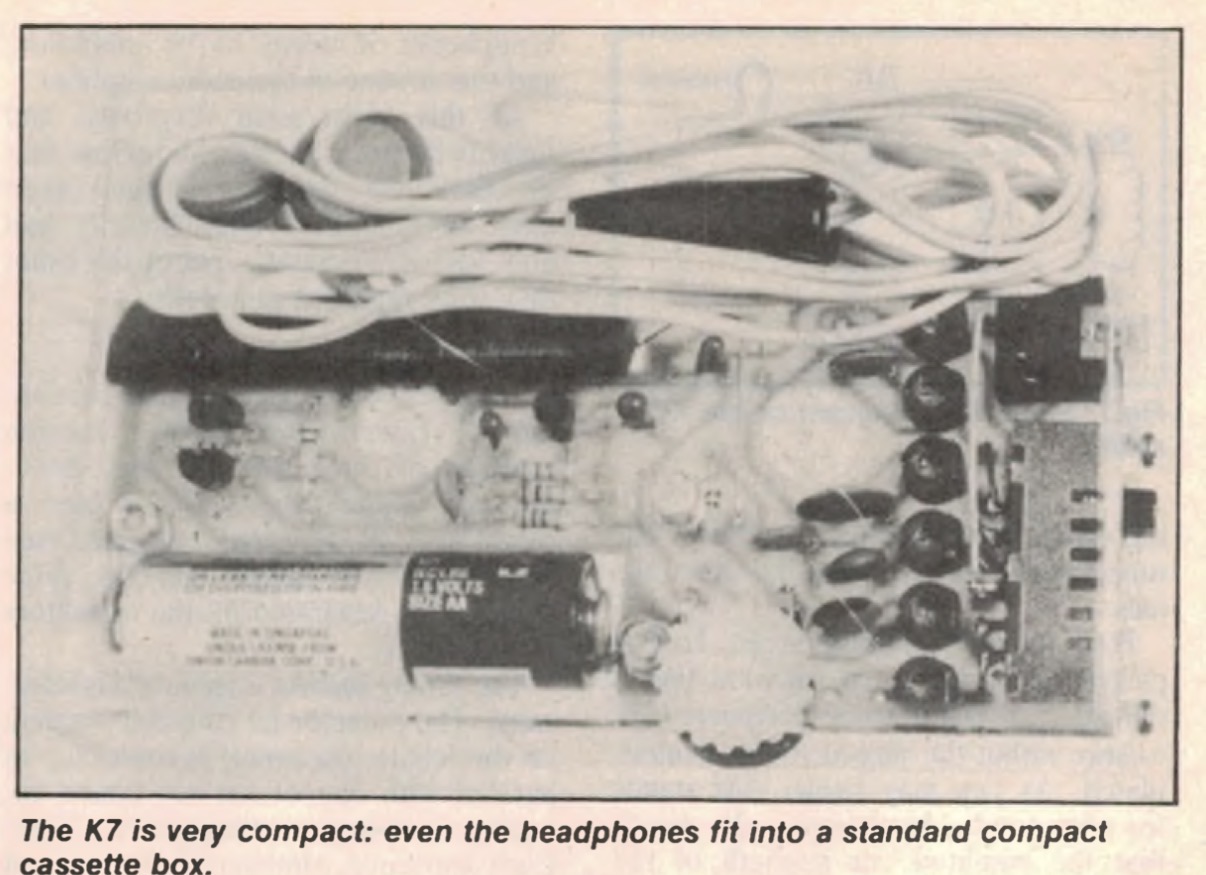
I knew exactly what to do with this. Build a small AM radio and fit it in a cassette box. Everyone had tons of those and it was a nice hack. I’d lived in France and a cassette there is referred to as a K7 (which reads K-sept, i.e. cassette). The in-joke that I had never mentioned to my colleagues at the magazine was that a friend of mine had crammed a cheap phone in a cassette box, I had copied the idea, and we’d travelled around Australia clipping our phone in a cassette box to phone wires across the country, calling home for free. Full story here: https://geneticfractals.wordpress.com/2013/03/22/phone-hacking-in-the-stone-age/
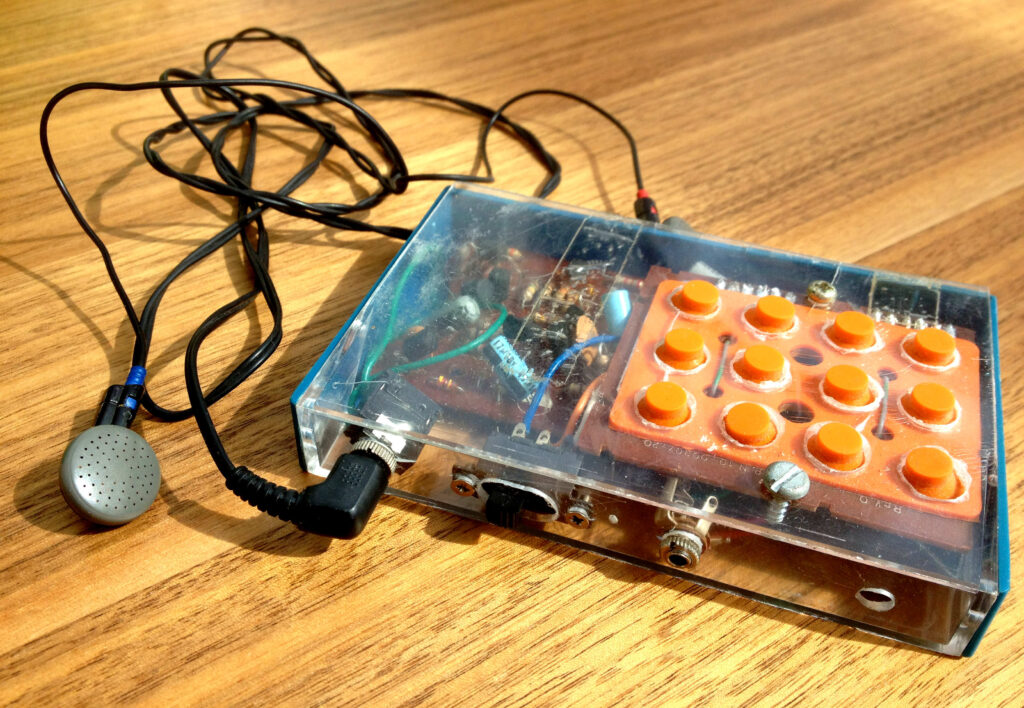
So back to the magazine, the article was published and a bunch of Australian hobbyists built it. But the real story start in about 1967.
Picture this: Christmas 1967, my big brother of 8 received a Philips electronics kit that included simple circuit designs that you could build. He built a radio receiver. It worked! He showed it to me, I popped in the ear piece and heard sound from a radio station. I was completely blown away. I was 5 and I realized that my brother was a genius! Naturally I told my dad that I wanted a kit like that. His answer was something like: “no, you are too young, you can’t build a radio yet.”
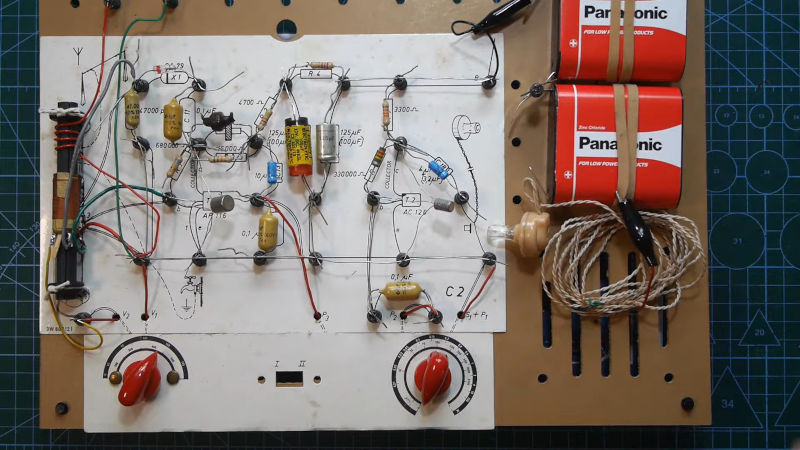
I heard was: you can’t build a radio. I doubt he ever realized but that was when I started my journey to become an electronics engineer. Messed with electronic bits during my youth. When the time came, I studied electronics engineering and graduated. After a few years at CERN, I quit and went backpacking through South East Asia and ended up in Australia. Got a job at the magazine and, well, you know what.
it wasn’t until years later that I realized that when I published the K7 radio article, I had fulfilled an unspoken promise from when I was a whiny 5 old: yes dad, I can build a radio. I designed it.
Q.E.D.